 DSST Games
Load Bearing
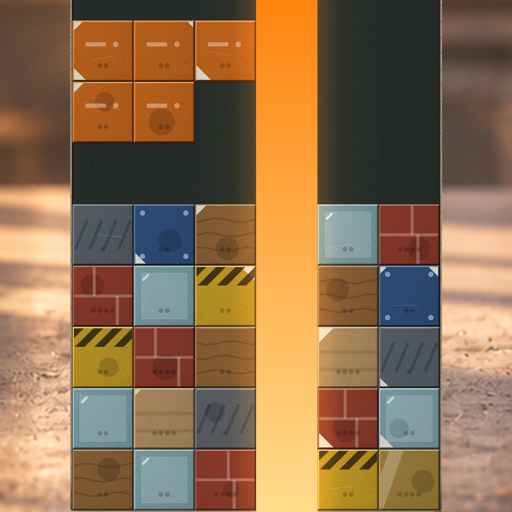
A falling-block roguelite. Keep one column clear, build the deck, and bring the whole floor down in a single move.
DSST GamesA falling-block roguelite. Keep one column clear, build the deck, and bring the whole floor down in a single move.
iPhone and iPad first, then Steam and Android.
Load Bearing is headed to the App Store. This page will link to it the day it goes live.
Load Bearing is on the App Store.
Download on the App StoreWindows and Steam Deck are on the way, with a free demo planned ahead of the full release.
An Android release is planned after iOS. Same game, same runs.
Every run raises a tower, and every tower joins your skyline. Getting there means bringing floors down exactly where you want them.
The well is the shaft your pieces fall into, and its width changes as you play. Keep one column clear and a lit shaft shows how many floors it will drop. Every row that is full but for that column pays out the moment you fire.
Your pieces are a deck you build over a run, from 2 to 7 blocks each. Adding shapes dilutes the deal. Duplicating concentrates it.
Fall behind the line target and it opens a column beside your tallest stack. You get five pieces of warning. Cash out, or lose the bank.
Take a different job on every floor, beat each foreman head to head in one shared well, and climb twenty Building Codes.
Load Bearing is made by Tim, a dad with a day job, with his brother Mick as QA lead. Tim designed and directed the game.
The credits in the game name the AI agents that helped build it.
The blocks, the Collapse and every animation in the well are drawn by the game's own code. Some of the foreman portraits, backgrounds, voices and music are AI-generated, and we say so rather than hide it.
If we replace any of it with human-made work, we will say that too.